
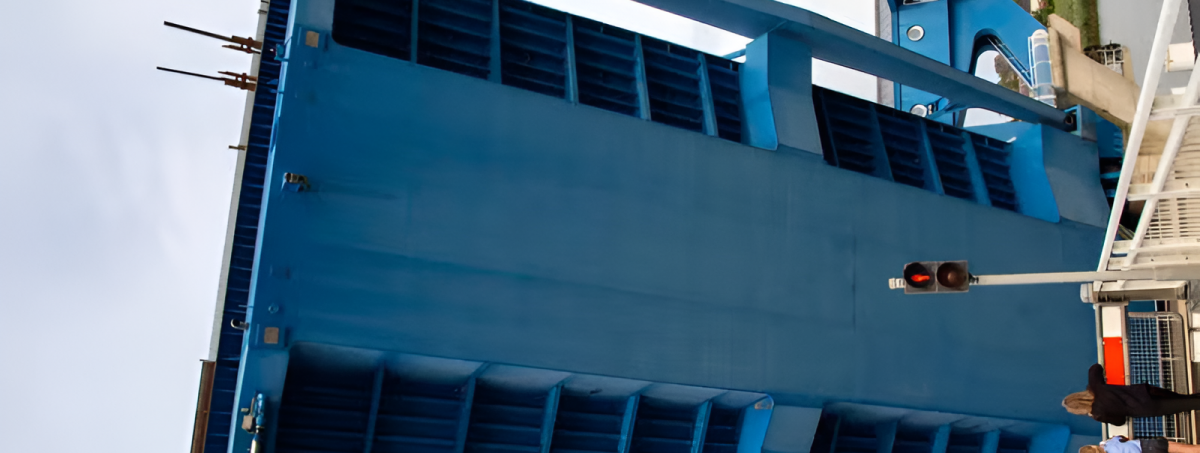
Germany has confirmed €421 million in federal funding for the construction of the new Peene Bridge in Wolgast, a critical transport link to the island of Usedom. The project, awarded to Swiss contractor Implenia Civil Engineering, aims to resolve chronic traffic delays caused by the existing bascule bridge, which currently carries both road and rail connections but struggles to handle rising demand.
The Peene Bridge will serve as the central section of a 6.8km bypass project, with a total estimated cost of €500 million. The new structure will span 1.4km, featuring 70-metre-high support towers and a 42-metre clearance. This design eliminates the need for a lifting bascule mechanism, allowing uninterrupted traffic flow for both vehicles and trains. The bypass will carry the B111 over the Peenestrom and link directly with the A20 Autobahn, significantly improving connectivity in the region.
Beyond transport efficiency, the project reflects a broader commitment to modernising infrastructure and supporting regional economic growth. The new bridge is expected to cut congestion, reduce travel times, and enhance the reliability of supply chains, benefitting both local communities and commercial traffic.
Federal funding underscores the strategic importance of the project, with the Peene Bridge acting as a key node in northern Germany’s transport network. By combining modern engineering with large-scale investment, the bridge addresses both current logistical bottlenecks and future mobility needs.
The project is set to strengthen regional competitiveness, offering long-term economic benefits and improved access for residents, businesses, and tourists alike.
Discover how the Peene Bridge will transform transport and connectivity in northern Germany in the full article.










.png)