
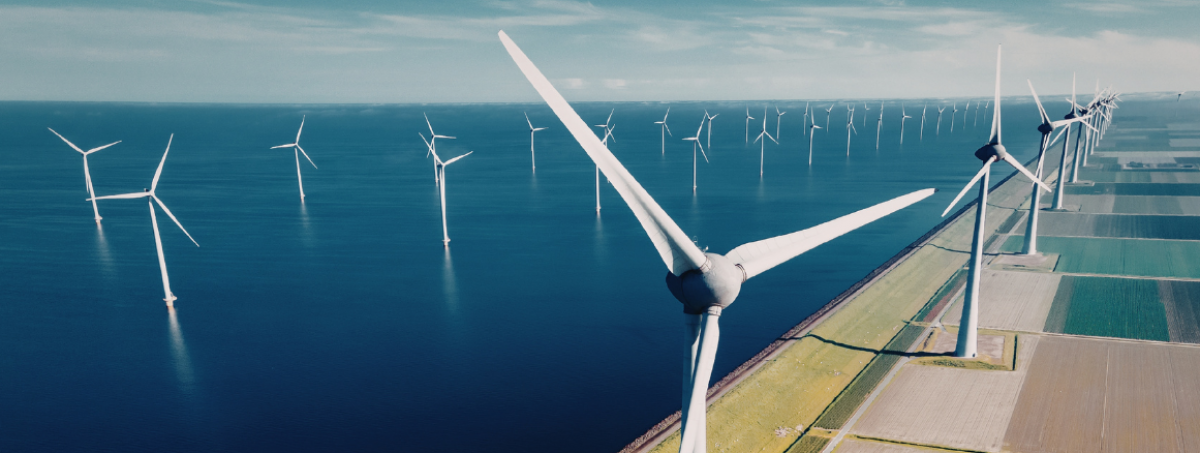
Ireland’s energy transition is no longer a policy ambition — it is an engineering procurement. Wind supplied one third of Ireland’s electricity in 2024, four times the global average and second only to Denmark, according to the IEA’s December 2025 report, Powering Ireland’s Energy Future, co-developed with EirGrid. Electricity demand is projected to nearly double by 2035, and Ireland has committed a record €10 to €14 billion in grid investment between 2026 and 2030. The engineering opportunity this creates is opening now.
The IEA report is the most authoritative assessment of Ireland’s energy engineering opportunity in years, and its framing is constructive: Ireland has the resource, the policy framework and the FDI track record to lead Europe’s offshore transition. The commentary argues that capturing the full economic value requires action on three fronts: indigenous supply chain development; port and grid infrastructure engineering; and specialist workforce investment.
The scale of the opportunity is confirmed by IEA modelling. Under its Adapted Transition Pathway, renewables could supply 88% of Ireland’s electricity by 2035, with offshore wind carrying a rising share. Electrification could reduce the annual fossil fuel import bill by approximately €2.8 billion. Ireland’s Exclusive Economic Zone is seven times its landmass, with wind resources among the strongest in Europe. The Department of Enterprise’s Powering Prosperity strategy targets at least 37 GW of offshore renewable capacity by 2050.
The supply chain opportunity is crystallising. Enterprise Ireland launched Propel Ireland in March 2026, connecting offshore wind developers, indigenous SMEs and research institutions to accelerate supply chain development. InterTradeIreland’s mapping identified more than 160 companies across 12 supply chain sectors positioned to participate. IRENA’s Renewable Power Generation Costs report confirms offshore wind is now cost-competitive globally, making Irish project economics structurally sound. The first fixed-bottom projects are moving toward construction, opening a time-bounded procurement window.
The workforce dimension is explicit in the IEA’s recommendations, which identify skills, supply chain strength and permitting speed as the three critical enablers. SEAI data confirms renewables currently supply around 40% of Ireland’s electricity, against a target of 80% by 2030. Closing that gap will demand civil, electrical, marine and systems engineering expertise at a scale the current workforce will need to deliberately expand.
Three responses are warranted. The government should establish a dedicated offshore wind engineering apprenticeship pathway aligned with port infrastructure investment clusters in Cork, Shannon and the east coast. Enterprise Ireland should expand Propel Ireland’s remit to include structured procurement mentoring for SMEs entering the offshore supply chain for the first time. Grid investment decisions under the 2026–2030 Price Review should prioritise transmission upgrades connecting offshore landing points to demand centres.
Ireland enters the offshore wind decade from a position of genuine engineering and economic strength. The IEA’s assessment is unambiguous: Ireland is a global frontrunner in renewable integration with the resource, policy and investment commitment to lead the next phase of the transition. Engineering firms, SMEs and workforce institutions that move decisively now will secure positions in a pipeline that compounds for the next three decades.
(The views expressed by the writer are his/her own and do not necessarily reflect the views or positions of BusinessRiver.)









.png)