

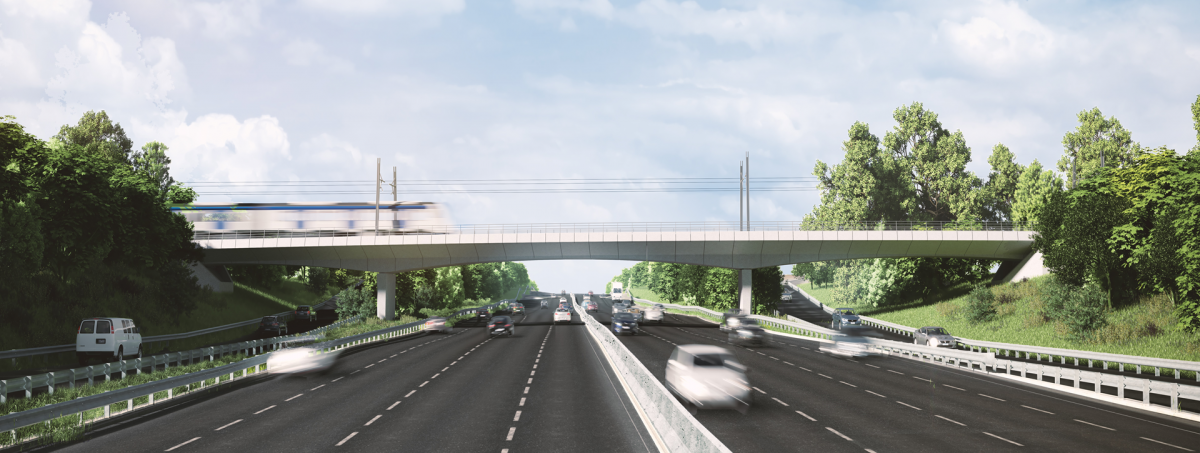
Transport Infrastructure Ireland launched procurement in February 2026 for the two major civil infrastructure contracts at the heart of MetroLink, Ireland’s most complex engineering project in a generation. The M401 and M402 contracts cover heavy tunnelling, track alignment, stations and structures across an 18.8-kilometre route connecting Swords to Sandyford via Dublin Airport and the city centre. With the Railway Order granting full planning permission in late 2025, two billion euros from the Infrastructure, Climate and Nature Fund ring-fenced for the programme, and total project costs in the range of nine to twelve billion euros, MetroLink is the largest active procurement in civil engineering ireland and the most significant infrastructure engineering opportunity to enter the market in decades.
The engineering design requirements are unlike anything previously undertaken on the island. The alignment runs through complex geology beneath one of Europe’s densest urban environments, requiring soft-ground and mixed-face tunnelling under live city streets, heritage buildings and existing utility infrastructure. Nineteen stations must be designed and built to accommodate a first direct rail link to Dublin Airport alongside interchange with the Luas, DART and bus networks. Structural engineering of underground station boxes, cross-passages and ventilation shafts must meet fire, flood and seismic resilience standards exceeding those applied to any previous Irish infrastructure project. The electrical engineering demands, spanning traction power supply, signalling, communications and platform screen doors, represent the most technically integrated railway systems challenge the country’s engineering industry has faced.
Engineering technology is embedded in the project from procurement stage. The delivery team is producing digital engineering models for tunnels, stations and railway systems before main contract award, establishing the information management environment within which all subsequent engineering companies will work. Building information modelling at infrastructure scale, real-time geotechnical monitoring during tunnel drives, and automated track alignment verification are specified within the procurement scope. For engineering companies seeking to participate, digital capability is a contract requirement defining which firms are best positioned to bid.
The project delivery model reflects the scale and complexity of what is being asked. Construction is expected to begin in late 2027 with services commencing in the mid-2030s, creating a sustained multi-year engineering programme running in parallel with DART+ suburban rail expansion and the proposed Cork light rail corridor. These engineering projects collectively represent the largest public transport infrastructure engineering programme Ireland has ever attempted. Sustainable engineering is embedded in the project’s environmental commitments, covering carbon assessment of tunnel construction methods, materials procurement and operational energy sourcing. Sustainability in engineering practice across the supply chain will be assessed at contract evaluation.
Engineering excellence across civil, structural and electrical engineering disciplines is the fundamental requirement for participation in this programme. MetroLink’s procurement launch marks the moment when Ireland’s largest infrastructure project moves from planning to delivery. For engineering companies with tunnelling, underground structures, railway systems or station design capability, the M401 and M402 procurement represents a decade-long programme that will test and develop the depth of Ireland’s engineering industry across disciplines it has not previously mobilised at this scale.







.png)